Japan's departure tax:
¥1,000 → ¥3,000
Added to your flight or ferry ticket — here is how it works, and where to stay before you fly home.
This guide is for travelers planning a high-end trip to Japan. Japan's International Tourist Tax — charged each time you leave the country — rose from ¥1,000 to ¥3,000 per departure for departures on or after 1 July 2026, according to the Japan Tourism Agency. Airlines and shipping companies collect it, usually by adding it to the ticket price. Children under 2 are not taxed.
How much is Japan's departure tax now?
¥3,000 per person per departure from Japan, for departures on or after 1 July 2026. The rate before that was ¥1,000.
I bought my ticket earlier — which rate applies?
The Japan Tourism Agency notes a transitional rule: departures on certain tickets issued by 30 June 2026 keep the old ¥1,000 rate. If your ticket was issued after that date, expect ¥3,000.
Who pays and how is it collected?
Everyone departing Japan, Japanese and foreign travelers alike, with infants under 2 exempt. As a rule, the airline or shipping company collects it — usually added to the ticket price — and pays it to the government. There is nothing to pay at the airport yourself.
What is the money used for?
The Japan Tourism Agency lists three uses: smoother, less stressful travel (crowd measures, manners campaigns, faster immigration and baggage drop); easier access to information about Japan's regions; and developing tourism resources rooted in local culture and nature.
Where this information comes from
We checked these official pages on November 26, 2026. Rules can change, so please confirm before you travel:
- Japan Tourism Agency — International Tourist Tax rises to ¥3,000 (leaflet) — www.mlit.go.jp
- Japan Tourism Agency — Expansion of the International Tourist Tax (summary) — www.mlit.go.jp
🧭 Kyoto in 3 days: a self-guided itinerary
This three-day Kyoto itinerary is built around Nijo-jo Castle, Kinkaku-ji and Fushimi Inari Taisha — central Kyoto and Gion first, the north-west and Arashiyama next, then the southern and eastern hills. Every day opens as a single route in Google Maps.
Day 1 Nijo-jo, Nishiki & Gion
- MorningNijo-jo CastleA World Heritage castle and former imperial villa that witnessed the rise and decline of the Tokugawa family.
- MiddayNishiki MarketA 390-metre covered shopping street with some 400 years of history, known for Kyoto ingredients and food culture.
- EveningYasaka ShrineThe shrine of the Gion district, once called Gion Shrine, with a history the shrine traces back to 656.
Day 2 The Golden Pavilion & Arashiyama
- MorningKinkaku-ji (Rokuon-ji)The Golden Pavilion temple linked to Ashikaga Yoshimitsu, designated a UNESCO World Heritage Site in 1994.
- AfternoonTenryu-jiA major Rinzai Zen temple complex in the Saga Arashiyama area, registered as a UNESCO World Heritage Site.
Day 3 Fushimi Inari & Higashiyama
- MorningFushimi Inari TaishaThe head shrine of Japan's Inari shrines, established in 711; its grounds include the Senbon Torii and the sacred mountain of Inariyama.
- AfternoonKiyomizu-deraA World Heritage temple halfway up Mount Otowa in the Higashiyama hills, founded more than 1,250 years ago.
- Day 2 links the north-west (Kinkaku-ji) with Arashiyama in the west — plan to stay on that side of the city for the whole day rather than returning to the centre in between.
- Kiyomizu-dera announces seasonal evening openings on its official site; check its news page if you would like to end day 3 there after dark.
Suggested order only — tap a route to see live travel times. Opening hours and tickets change, so check each official site before you go. Places checked November 19, 2026 on: Nijo-jo Castle (City of Kyoto) · Nishiki Market · Yasaka Shrine · Kinkaku-ji (Shokoku-ji) · Tenryu-ji · Fushimi Inari Taisha · Kiyomizu-dera · Kyoto City Official Travel Guide.
🧭 Hakone in 3 days: a self-guided itinerary
This three-day Hakone itinerary is built around the Hakone Open-Air Museum, the ropeway over Owakudani and a Lake Ashi cruise — art in Kowakudani first, the classic loop over the volcano and across the lake next, then the museums of Sengokuhara. Every day opens as a single route in Google Maps.
Day 1 Sculpture and Eastern art in Kowakudani
- MiddayThe Hakone Open-Air MuseumOpened in 1969 inside Fuji-Hakone-Izu National Park to bring sculpture to more people, with works set outdoors as well as in indoor galleries.
- AfternoonOkada Museum of ArtA museum of Eastern treasures opened in autumn 2013 in the Kowakudani hot-spring area, with Japanese painting, ceramics and lacquerware.
Day 2 Owakudani, Lake Ashi & the old checkpoint
- MorningHakone Ropeway & OwakudaniThe ropeway rises over Owakudani, the smoking volcanic valley once called Hell Valley, on the way down to Togendai.
- MiddayHakone Sightseeing Cruise on Lake AshiPirate-style ships sail between Togendai, Motohakone and Hakonemachi, with a point on the way where Mount Fuji, Hakone Shrine's red torii and the lake appear together.
- AfternoonHakone Sekisho (Hakone Checkpoint)One of the largest of the Tokugawa shogunate's road checkpoints, placed here in 1619 and in use for about 260 years.
Day 3 Sengokuhara museums
- MorningPola Museum of ArtOpened in 2002 in Sengokuhara, with a collection ranging from Impressionism to contemporary art and a nature trail through the surrounding forest.
- AfternoonLalique Museum, HakoneMore than 1,500 works by René Lalique, including over 200 pieces of jewellery, plus afternoon tea in an Orient Express carriage.
- The Hakone Ropeway is suspended when volcanic activity at Owakudani increases — check Hakone Navi's operating status page on the morning of day 2.
- Day 2 runs in one direction: up by ropeway, across Lake Ashi by boat, then on to the checkpoint near Hakonemachi port.
Suggested order only — tap a route to see live travel times. Opening hours and tickets change, so check each official site before you go. Places checked November 19, 2026 on: The Hakone Open-Air Museum · Okada Museum of Art · Hakone Navi (Hakone Ropeway & Sightseeing Cruise) · National Parks of Japan — Hakone Ropeway · Hakone Sekisho · Pola Museum of Art · Lalique Museum, Hakone.
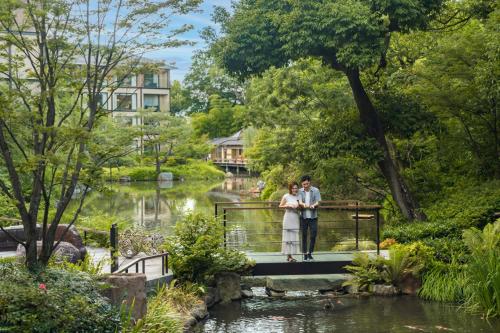
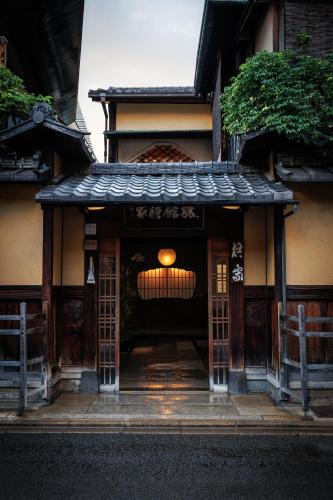
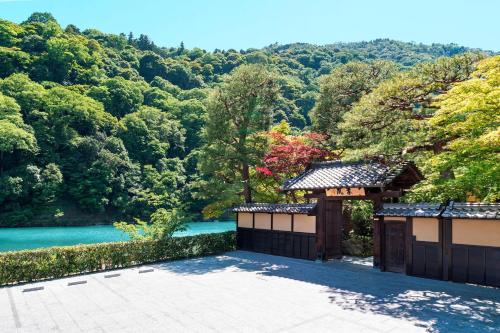
🏨 Five-star hotels in Kyoto & Hakone (live Agoda rates) (26)
Five-star only, ranked by nightly price. Live Agoda rates for 2 adults, taxes and fees included, checked 2026-11-26 — confirm the live rate on Agoda.




🏨 Where to stay
✨ Worth planning around
❓ Frequently asked questions
How much is Japan's departure tax in 2026?
¥3,000 per person per departure for departures on or after 1 July 2026 (it was ¥1,000 before).
Do I pay it at the airport?
No. As a rule, airlines and shipping companies collect it, usually by adding it to the ticket price.
Does my child pay?
Children under 2 are not taxed.
What if my ticket was issued before July 2026?
Departures on certain tickets issued by 30 June 2026 keep the old ¥1,000 rate.
Some links are Agoda affiliate links; we may earn a commission at no extra cost to you. Hotel rates were checked on Agoda and change often. Tax details are summarized from the Japan Tourism Agency's official documents as of November 26, 2026 — please confirm before you travel.